

The Daily / No. 41 / Opinion
Learn to read the dead wax
The codes in the run-out area tell you who pressed and cut a record, and I want your reports alongside mine so buying stops being luck.
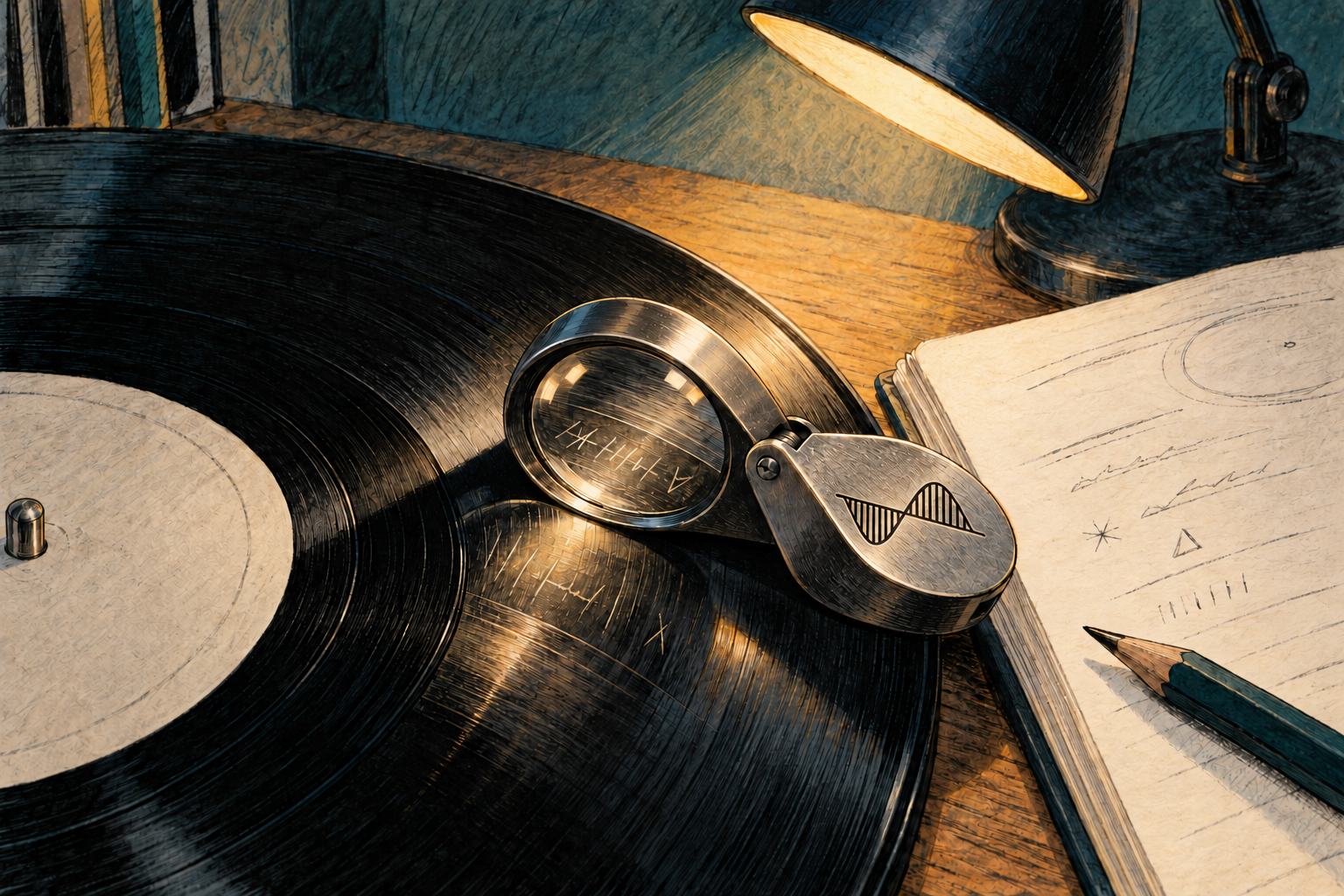
Before I pay for a new record now, I look at the space between the last groove and the label. The dead wax tells you more about what you are buying than the sticker on the shrink-wrap.
The codes stamped or etched there tell you which plant pressed the record, which mastering engineer cut the lacquer and sometimes which stamper was used. Take them to Discogs and the Steve Hoffman forums and research that exact pressing before you buy. GZ codes or MRP stamps mean proceed with caution: not a bad record for certain, but quality that varies widely.
One collector's research only goes so far, though. Under my vinyl film I asked you for three things: the pressing plant, the album and how it sounded. And you know what? You answered with exactly that, album, edition, plant, what was wrong and whether a replacement fixed it.
That is the start of something more useful than any review I can write. My four albums are one test on one system. Many honest reports, each naming the plant and the fault, begin to look like data, and data is how a buyer stops guessing.
Read the dead wax, then tell the rest of us what you heard. That is how buying records stops being luck.
More from the Daily
Keep a thought going.
Loading notes…