

The Daily / No. 96 / Opinion
My cable curve, in four steps
Cable gains are real at every price step I have tried, but the slope of the curve tells you exactly where to stop paying.
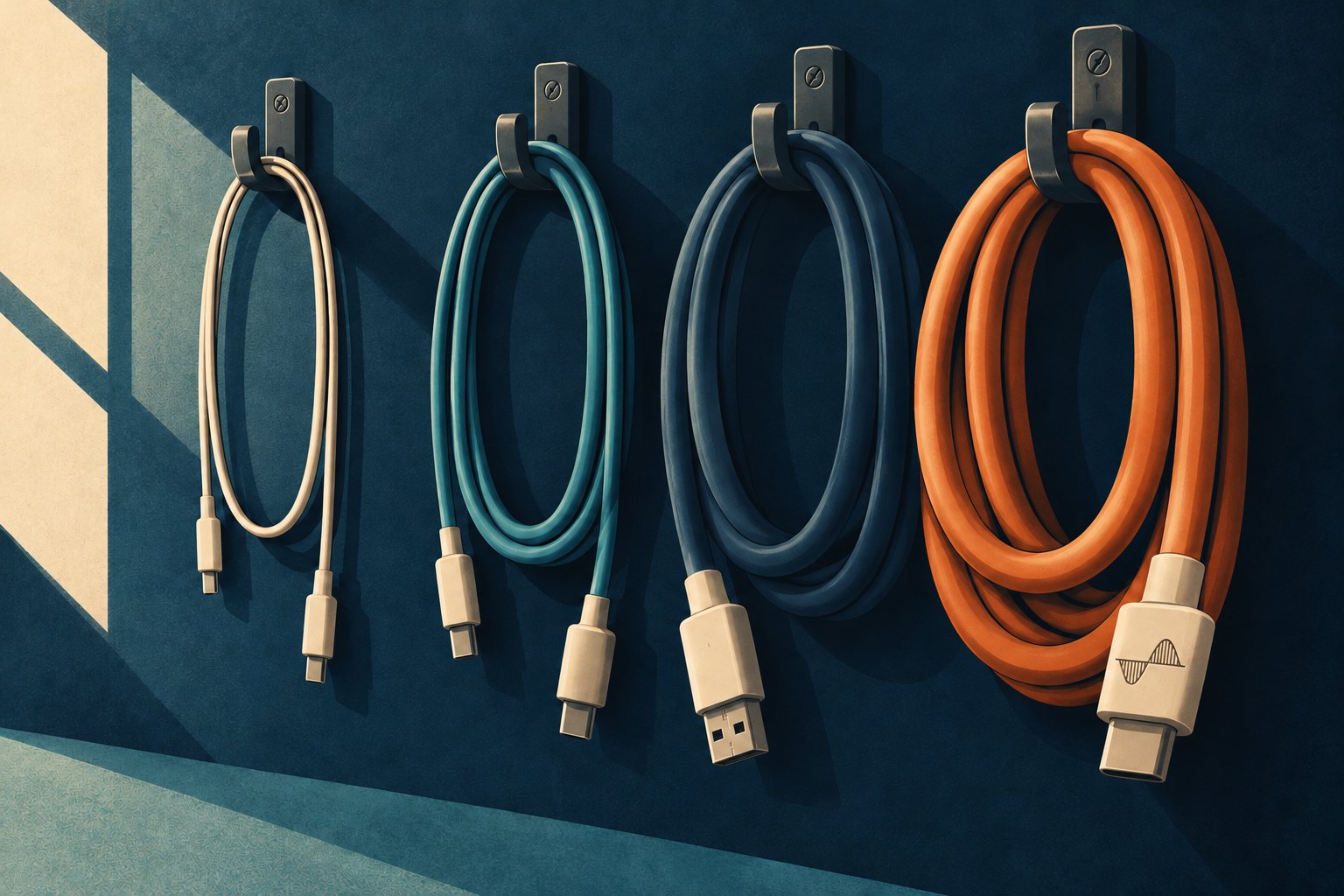
Most cable arguments are about whether the curve exists at all. Mine exists, and I can draw it in four steps. The useful part is not that it rises but where it flattens.
Up to $200, the improvements are significant. From $200 to $600, noticeable; from $600 to $1,500, smaller but real; above $1,500, only worth it in a high-end system. Before the comments arrive, these are steps inside the ranges of established brands such as AudioQuest, Transparent, Nordost and Kimber, not one brand's cheap cable against another's expensive one.
I lived every step. Plain copper to QED XT40i cost me about $100 to $150 more and was worth every penny with decent speakers. Rocket 33 to Rocket 88 improved resolution, tonality and dynamics, but by less than the step before. With interconnects the biggest gains came between $200 and $600, and beyond that I was paying a lot for very small gains.
So the curve is real at every step, and its slope is the instruction. Where it is steep, buy; where it flattens, stop, unless the system behind it can reveal what is left. If you have a $3,000 system, spending 2,000 on cables is insane, and if you have a $50,000 system, $50 cables are holding it back.
Read the slope, not the price tag. The slope tells you exactly where your money stops working.
More from the Daily
Keep a thought going.
Loading notes…